Derelict land vs. brownfield land: why the difference matters for solar siting
Every planner who's drafted a call-for-sites response has hit this snag: a parcel gets flagged as "brownfield" in one document and "derelict" in another, and the two words don't mean the same thing. They overlap a lot, but they're not interchangeable, and which one applies can change what a site is actually allowed to become.
What counts as brownfield, legally
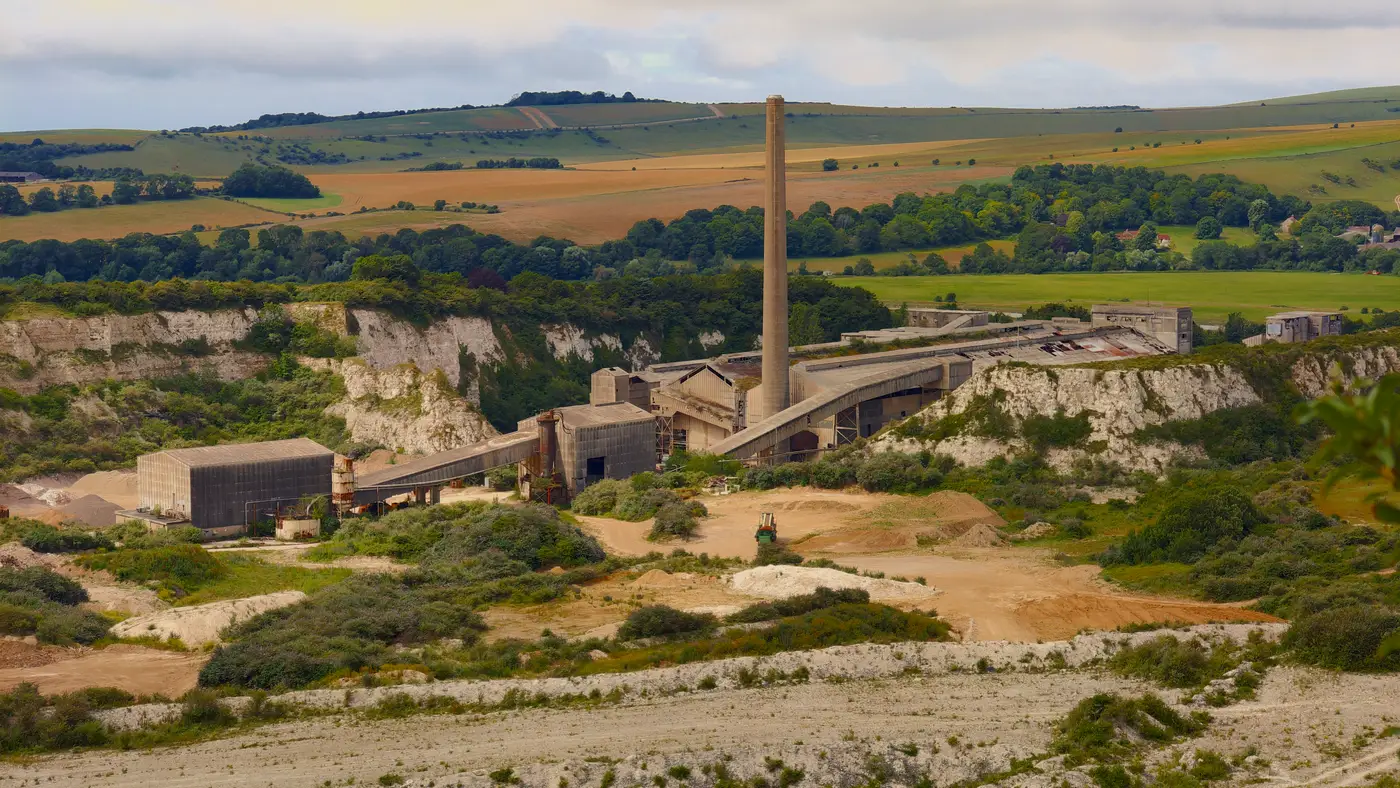
In England, "brownfield" is shorthand for previously developed land, defined in Annex 2 of the NPPF. It's land that currently has, or last had, a permanent structure on it, excluding agricultural buildings, and excluding mineral workings or waste disposal sites that have been restored to a condition where no trace of previous use is visible. It also carves out land where nature has taken over to the point of forming a settled wildlife habitat. That last exclusion trips people up constantly: a 1970s quarry that's now scrubby woodland with ground-nesting birds might fail the PDL test entirely, even though anyone walking it would call it derelict on sight.
So brownfield is a legal-planning category built around development history and structures. It says nothing about current condition. A tarmacked car park that's been empty for six months is brownfield. So is a closed landfill that's been capped and grassed over for a decade and looks, from the road, like a field.
What counts as derelict, and where it diverges
Derelict land doesn't have a single statutory definition the way brownfield does, but the working one planning officers lean on, carried over from the old National Land Use Database and still used in survey methodology, is land so damaged by industrial or other development that it's incapable of beneficial use without treatment. The emphasis is on physical condition: spoil heaps, unstable ground, visible contamination, collapsed structures, land that genuinely needs remediation before anyone can put anything on it.
That's where the two categories split. Derelict land is almost always brownfield, since dereliction implies a prior use. But plenty of brownfield land isn't derelict at all. A disused petrol station with a clean concrete pad is brownfield and ready to build on tomorrow. A former colliery spoil tip with unstable fill and leachate issues is both brownfield and derelict, and it's going to need a geotechnical survey before anyone commits capital.
For a Local Plan or a site allocation policy, that distinction decides which policy lever applies. Brownfield status can trigger a presumption in favour of development and sits behind brownfield registers and permission-in-principle routes. Dereliction doesn't carry its own planning presumption, but it strengthens the argument that the land has no realistic agricultural or amenity value and no community actively wants it left alone, which matters when a committee is weighing a solar application against loss of greenfield character.
Why this matters when you're screening for solar
Neither category tells you, on its own, whether a site is buildable, but they shape the case you build. A closed landfill reads as low-conflict: brownfield, usually derelict in the plain-English sense even after capping, no argument about food production, and often already fenced off from public access. A former quarry with an active wildlife habitat might still be brownfield-adjacent in everyone's mind but fail the NPPF's own PDL test, which means the planning argument has to rest on dereliction and lack of alternative use rather than brownfield status alone.
Working this out site by site, from historical OS maps, old minerals permissions, and local authority GIS layers, is the part of the job nobody enjoys. It's also exactly the gap a numbered candidate dossier pulled from multispectral satellite imagery is built to close, flagging closed landfills, spoil heaps, and former quarries before anyone has to open a single archived planning file.
If you're tired of chasing that distinction through paper records one parcel at a time, see what a screening pass over your search area turns up at Brownfield Solar Sites.