How to screen former coal ash ponds for solar development
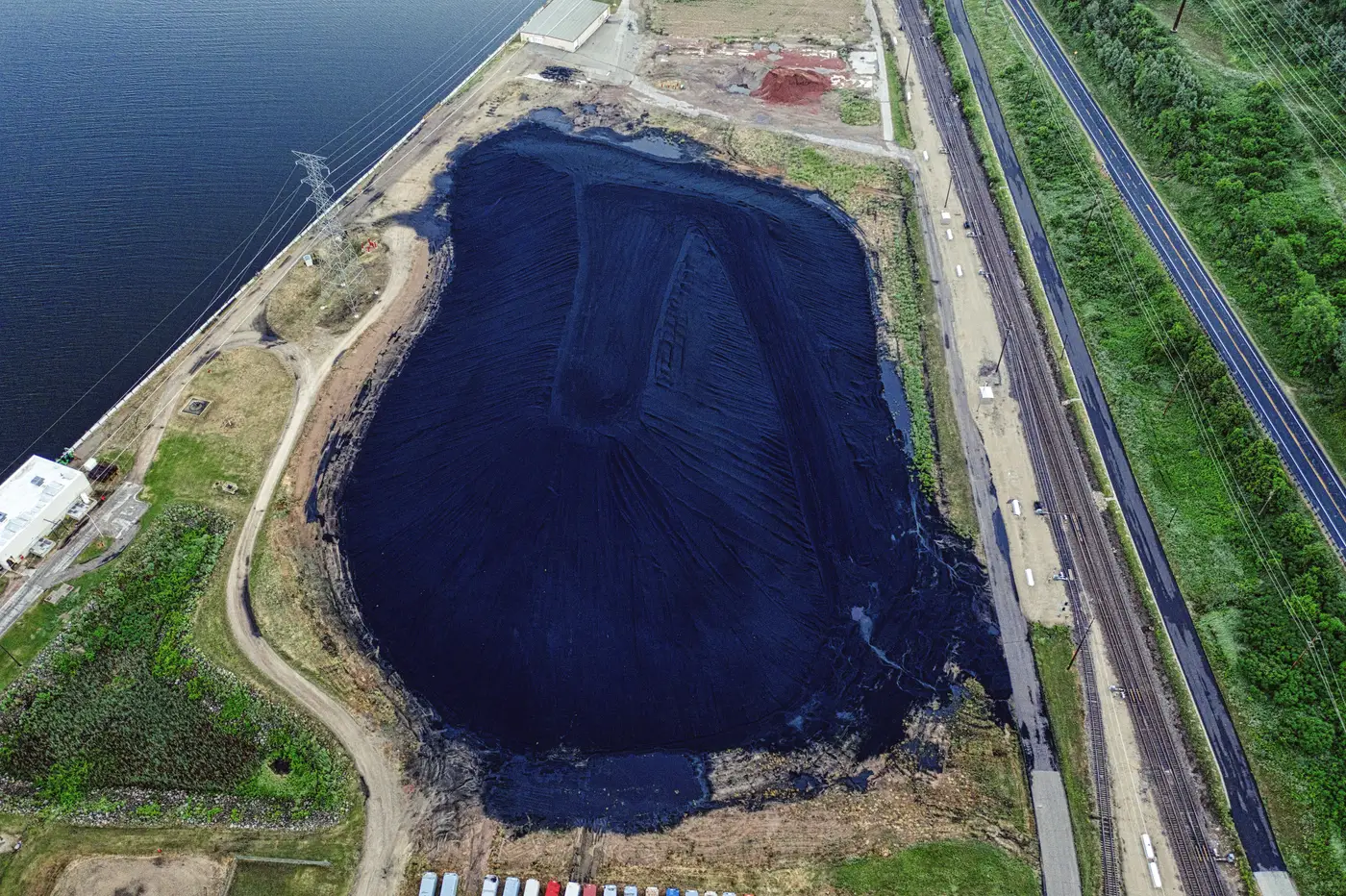
Every retiring coal plant comes with at least one coal combustion residual pond sitting on land the utility already owns, already has interconnection rights near, and has every incentive to repurpose instead of carrying on the books. That combination makes ash ponds some of the better brownfield solar candidates out there. It also makes them some of the easier ones to get wrong if you screen them the way you'd screen an old quarry or a closed landfill.
Why ash ponds aren't a generic brownfield
A CCR pond is a regulated impoundment with a closure pathway dictated by the federal CCR rule and whatever state program has primacy. That pathway branches two ways: closure by removal, where the ash gets excavated and hauled off, or closure in place, where the pond gets capped and left under a synthetic or soil cover. The difference matters enormously for solar. A removed site behaves like ordinary graded land once backfilled and certified. A capped site is still an ash pond, just one wearing a liner, and that liner has load limits, settlement behavior, and drainage requirements that your racking design has to respect.
Utility retirement timelines add another wrinkle. A plant can be announced for retirement years before the boiler actually shuts down, and the ash pond's closure plan often isn't finalized until well into that window. Screen too early and you're looking at a pond that hasn't even started remediation. Screen too late and a competing developer, or the utility's own generation arm, has already optioned the parcel.
What to check before you call it a candidate
Once a pond looks promising from the outside, there's a short list of things worth confirming before you spend real diligence hours on it:
- Closure method and status. Cap-in-place versus excavation changes everything downstream, from foundation design to what the state closure permit will and won't allow built on top.
- Groundwater monitoring record. Most CCR units carry a public monitoring history. A site still flagging exceedances is a longer regulatory road than one that's cleared post-closure care.
- Who actually holds the parcel. Ash ponds sit on utility-owned land, but retirement sometimes splits the generating asset, the land, and the ash management obligation across different corporate entities. Worth knowing before you call anyone.
- Interconnection proximity. Most of these ponds sit a short run from a switchyard that's either staying energized for other units or getting decommissioned alongside the plant. Either way, it's usually the single biggest reason the site is worth the extra diligence.
- Local planning posture toward the retiring plant. Municipalities losing a tax-generating coal plant are frequently receptive to a solar project that keeps some of that revenue on the books, which shows up as planning goodwill you won't find in a zoning ordinance.
None of this replaces a phase I, a geotechnical scope, or a conversation with the state CCR program. It just tells you which ponds are worth pulling those records for.
Finding the ponds worth that call
Knowing which plants in a service territory even have an ash pond, what shape the impoundment is in from the outside, and whether anything's changed on-site since the retirement was announced is the hard part, across a utility footprint that might span a dozen counties and several decades of plant history. Pulling that together from permit filings and county assessor records, parcel by parcel, is exactly the kind of work a planning team ends up doing by hand because there's no shortcut.
An annual overhead scan of a service territory can shortcut the first pass: flagging impoundment footprints, visible cap condition, and changes year over year, so your team spends its diligence hours on the ponds that still look live rather than the ones already fenced off for a data center.
If you're building a pipeline of these sites across a utility's retiring fleet, see how Brownfield Solar Sites turns that scan into a numbered candidate list before you commit to record pulls.